
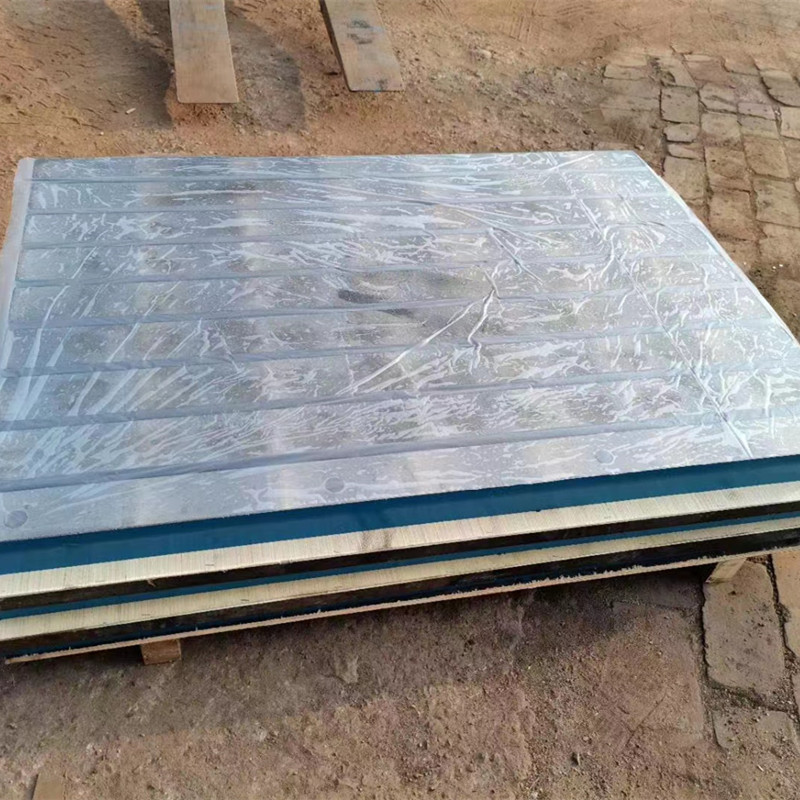
grey reflective glass
Understanding Special Thread Gages Ensuring Precision in Thread Measurement In the realm of manufacturing and engineering, precision is not merely a goal; it is a necessity. When it comes to threaded components, ensuring accurate dimensions and pitch is crucial for the assembly and functionality of mechanical systems. This is where special thread gages come into play. These sophisticated tools are designed to measure the dimensions of threads with utmost precision, helping manufacturers maintain the high standards required for quality control. What are Special Thread Gages? Special thread gages are tools specifically designed for the measurement of threads on bolts, nuts, screws, and other threaded components. Unlike standard thread gages, which are often limited to measuring common thread types and profiles, special thread gages can be customized or tailored to accommodate unique thread specifications. These gages can measure various parameters, including thread pitch, major diameter, minor diameter, and thread angle. Types of Special Thread Gages There are several types of special thread gages, each serving a distinct purpose. Common types include 1. Plain Gages These are simple in design and are typically used to check the basic dimensions of a thread . They can be customized for specific diameters and pitches. 2. Go/No-Go Gages These gages come in sets that determine whether a thread fits within acceptable tolerances. The “Go” part indicates a perfect fit, while the “No-Go” piece ensures that the thread does not exceed the maximum limits. 3. Thread Plug Gages Used for internal threads, these gages are inserted into a threaded hole to check for compliance with specified dimensions. special thread gages 4. Ring Gages Contrarily, ring gages are designed for external threads and fit over the threaded component to evaluate its dimensions accurately. 5. Special Profile Gages For threads that do not conform to standard profiles such as trapezoidal or round threads, special profile gages are manufactured. These gages often require advanced design considerations to match the specific angle and pitch accurately. Applications of Special Thread Gages The applications for special thread gages span a wide range of industries, including automotive, aerospace, and manufacturing. In the automotive industry, for example, the reliability of threaded components is critical for safety and performance features. Aerospace applications demand even stricter tolerances, where failure could result in catastrophic consequences. Therefore, the precision provided by special thread gages is indispensable. Additionally, industries that manufacture custom fasteners or components often require specialized gages to ensure that their products meet the precise specifications demanded by their clients. This requirement may arise from evolving technologies or unique design requests. The Importance of Regular Calibration To maintain accuracy, it is crucial that special thread gages undergo regular calibration. Over time, any tool may experience wear and tear, which can impact measurement precision. Implementing a routine calibration schedule ensures that these gages consistently deliver reliable results, thereby upholding quality assurance standards. Conclusion Special thread gages play an essential role in the manufacturing landscape by ensuring that threaded components meet strict dimensional tolerances. With their ability to measure a wide array of thread specifications, they are vital for quality control in various industries. As technology advances and thread designs continue to evolve, the importance of these specialized tools will only grow. By utilizing special thread gages, manufacturers can enhance product reliability and contribute to the overall safety and effectiveness of mechanical systems.
about
grey reflective glass
Understanding Pressure Check Valves Functionality and Importance In various industrial applications and systems, the management of pressure is critical to ensuring safety, efficiency, and reliability. One of the essential components in pressure management is the pressure check valve. These valves play a vital role in maintaining the integrity of systems by preventing backflow and ensuring that fluid or gas flows in the intended direction. What is a Pressure Check Valve? A pressure check valve is a specialized valve designed to allow fluid flow in one direction while preventing it from flowing backward. This unidirectional flow is crucial in numerous applications, including water treatment plants, manufacturing processes, and HVAC systems, where maintaining pressure balance is essential for optimal operation. The operation of a pressure check valve is quite straightforward it consists of a valve body, a seat, and a mechanism (typically a spring-loaded disc or ball) that seals the valve when reverse flow attempts to occur. When the pressure of the incoming fluid reaches a certain threshold, it lifts the disc or ball away from the seat, allowing fluid to pass through. If the pressure decreases or reverses, the mechanism returns to its seated position, thereby preventing backflow. Types of Pressure Check Valves There are several types of pressure check valves, each designed for specific applications and conditions 1. Swing Check Valve This type features a hinged disc that swings open to allow flow and closes when flow stops or reverses. It is commonly used in applications with higher flow rates. 2. Lift Check Valve This valve uses a vertical movement of the disc to open and close. It is more suitable for applications with low-pressure drops and is often used in water supply systems. 3. Ball Check Valve This valve utilizes a ball that sits in a seat. As pressure increases, the ball is pushed off the seat, allowing flow. When the pressure drops, the ball falls back into the seat, preventing backflow. 4. Tilting Disc Check Valve This type features a disc that tilts on a pivot, allowing for smoother and quieter operation. It is often employed in applications where noise reduction and pressure stability are critical. Key Features and Benefits The functionality of pressure check valves offers numerous benefits to industrial systems pressure check valve - Prevention of Backflow One of the primary functions of a pressure check valve is to prevent backflow, which can lead to contamination, equipment damage, or system failures. - Pressure Regulation By ensuring that fluids do not flow backward, these valves contribute to maintaining the necessary pressure levels within the system, which is crucial for operational efficiency. - Increased Safety In systems handling hazardous materials, the risk of reverse flow can pose significant safety risks. Pressure check valves mitigate these risks, enhancing overall system safety. - Reduced Maintenance Costs By preventing issues caused by backflow, pressure check valves can effectively reduce wear and tear on pumps and other components, resulting in lower maintenance costs over time. Considerations for Selection When selecting a pressure check valve for a specific application, several factors must be considered - Pressure Rating Ensure that the valve can handle the maximum pressures expected in the system. - Flow Characteristics The valve should be compatible with the flow rates and type of fluid being managed (liquid or gas). - Material Compatibility Depending on the fluid being handled, the valve material should be resistant to corrosion, erosion, or other forms of degradation. - Installation Orientation Some check valves are designed to function in specific orientations; therefore, compatibility with the intended installation setup is crucial. Conclusion Pressure check valves are indispensable components in a wide range of industrial applications. By ensuring unidirectional flow and preventing backflow, these valves help maintain system pressure, enhance safety, and reduce maintenance costs. Selecting the appropriate type of pressure check valve based on the specific requirements of an application is vital to maximizing its effectiveness. Understanding their role and functionality is essential for engineers, technicians, and anyone involved in system design or maintenance, ensuring that the systems operate safely and efficiently. As industries continue to evolve, the importance of reliable pressure management solutions, including pressure check valves, will only continue to grow.
-

High quality industrial productsagement

High quality industrial products
View Details -

Meet the diverse needs of customers

Meet the diverse needs of customers
View Details -

Strict quality control

Strict quality control
View Details -

Top raw materials

Top raw materials
View Details -

Trusted supplier

Trusted supplier
View Details
Our application



news and information
Vanne de retenue demi-pouce pour applications industrielles et domestiques.
La soupape de retenue à demi pouce un élément essentiel pour la plomberie La soupape de retenue, ég
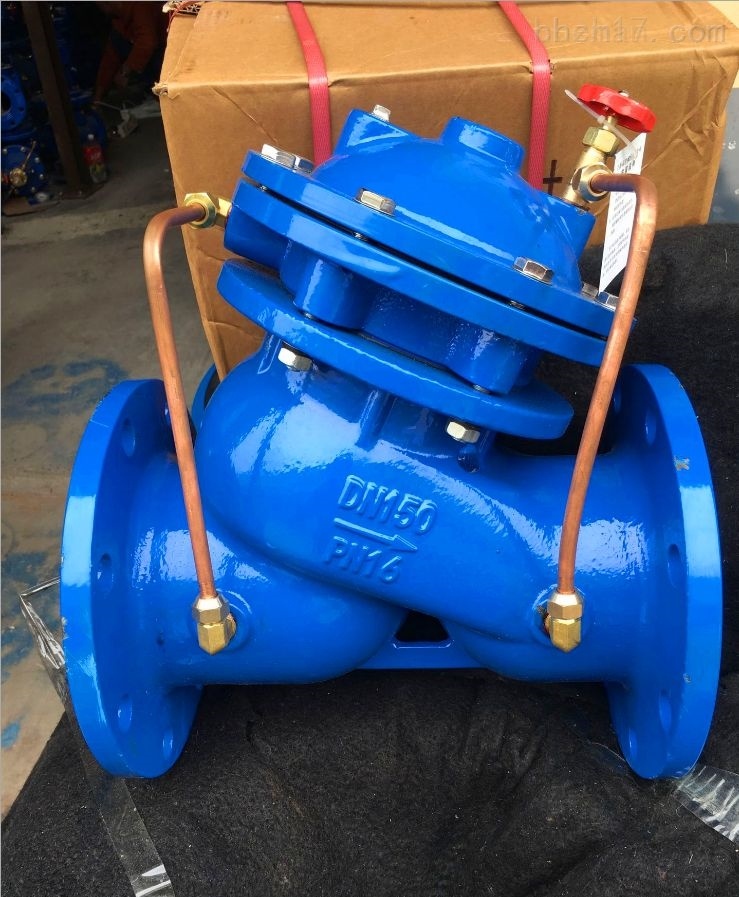
Versatile Portable Welding Table for Convenient and Efficient Metal Projects
The Versatility and Importance of Portable Welding Tables In the realm of metalworking, welding stan
Wood Frame Truss Nail Plate Connection Engineering and Installation Essentials
The Significance of Wood Frame Truss Nail Plates in Construction In the realm of construction and e
 English